
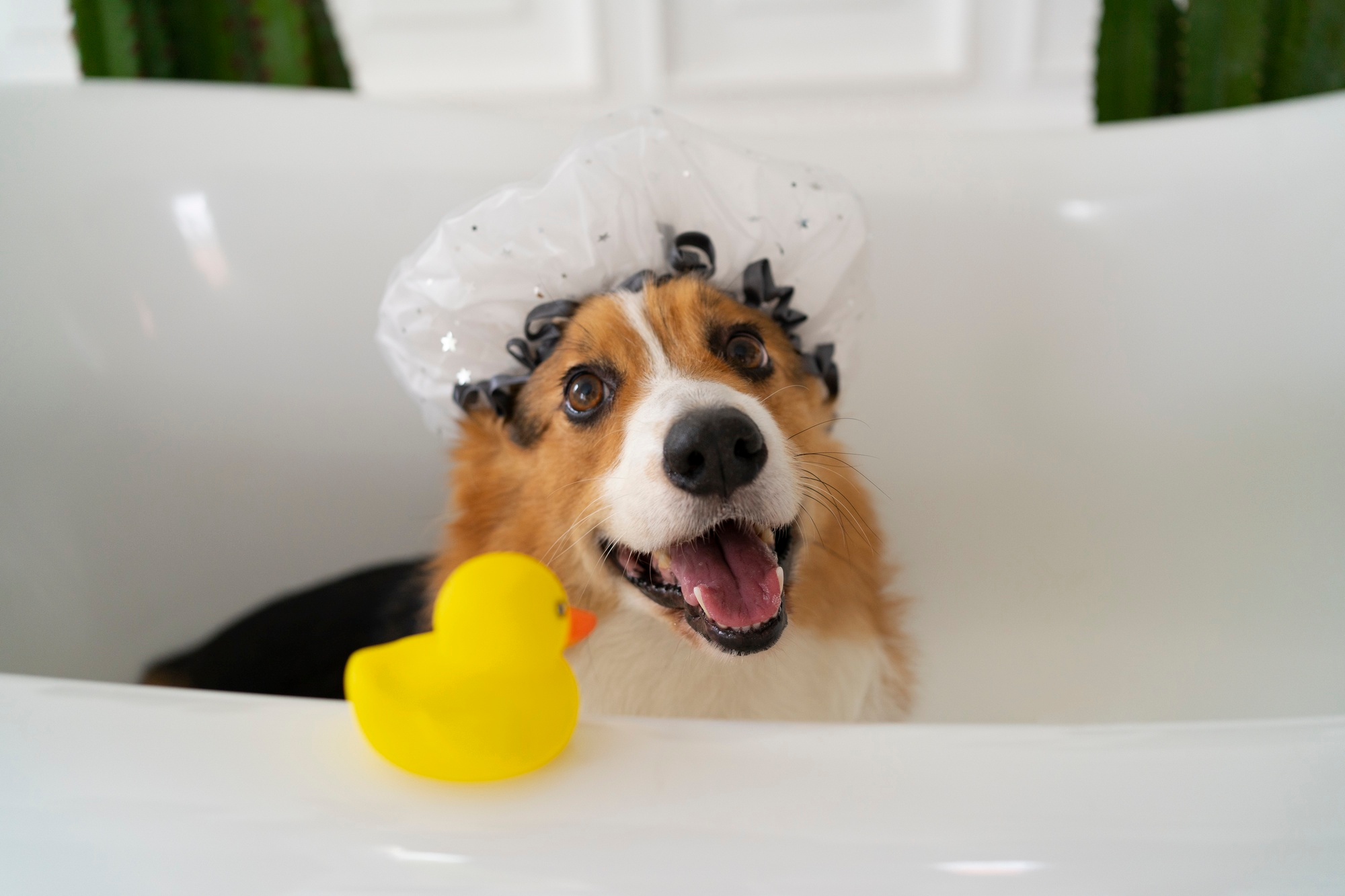
Bathing your dog isn’t just about keeping them smelling fresh. It’s an important part of maintaining their skin health, coat condition, and overall well-being. However, many owners still ask: “How often should you bathe your dog?” The answer is different for every pet — it depends on breed, coat type, activity level, and whether your dog spends more time outdoors or indoors.
To make things easier, here are the most important things to consider if you want to keep your furry friend clean without damaging their skin’s natural protective barrier.
🐾 There’s No One-Size-Fits-All Rule
Some dogs may need a bath every 2–3 weeks, while others only need one a few times a year. A lot depends on the coat type:
Short-haired dogs (such as Pugs or Boxers) usually need less frequent baths because their coat naturally renews itself.
Long-haired or curly-coated dogs (such as Poodles or Shih Tzus) are typically bathed every 4–6 weeks to prevent matting and tangles.
Working or highly active outdoor dogs may require more frequent bathing since they get dirty more often.
It’s important to remember that bathing too often can strip away the natural oils that protect your dog’s skin, which may lead to dryness and irritation. Always pay attention to how your dog’s skin and coat react after bathing.
🧴 Choosing the Right Products
One of the most common mistakes owners make is using shampoos made for humans. A dog’s skin has a completely different pH balance than human skin, so even mild human shampoo can cause itching, dryness, or dandruff.
Instead, choose:
Vet-recommended shampoos designed for your dog’s skin type.
Hypoallergenic products for sensitive dogs.
Moisturizing shampoos for dry coats or flaky skin.
If your dog has existing skin problems, consult a veterinarian before bathing. In some cases, medicated shampoos may be necessary.
🌤️ When Is the Best Time to Bathe a Dog?
It’s usually best to bathe your dog during warmer weather so they don’t get cold afterward. If you bathe your dog in winter:
Dry the coat thoroughly with a towel or pet dryer.
Keep your dog in a warm room for several hours after the bath.
For smaller or more sensitive dogs, dry shampoo or pet wipes can be a great alternative if they only need light cleaning.
🐶 Signs Your Dog Needs a Bath
Not sure if it’s time for bath day? Here are a few common signs:
The coat looks greasy or has lost its shine.
There’s a strong or unpleasant smell.
Your dog scratches or licks certain spots more than usual.
Dirt, mud, or dust remains after walks outside.
If you notice any of these signs, it may be time to plan a little spa day for your pup 🛁🐕
🧼 How to Make Bath Time More Enjoyable
Many dogs dislike water at first, but with patience they can learn to tolerate — or even enjoy — bath time.
Choose a calm, quiet environment without stress or loud noise.
Use a non-slip mat in the bathtub or shower so your dog feels secure.
Speak gently and reward your dog with treats after each step.
Bathing should never feel like punishment. The more positive the experience is, the easier future baths will become.
💡 Common Bathing Mistakes to Avoid
There are several common mistakes that can negatively affect your dog’s skin and coat:
Bathing too frequently, which removes protective natural oils.
Using the wrong shampoo, causing irritation or flaking.
Water that’s too hot, which can dry out or damage the skin.
Leaving the coat damp, which may lead to odor or skin irritation.
Since every dog is different, it’s important to observe how your pet reacts and adjust the bathing schedule if needed.
🌿 Cleanliness Is Part of Good Health
Regular bathing isn’t just about appearance or smell. It’s one of the easiest ways to help your dog feel comfortable, healthy, and happy every day. A clean coat is less likely to trap allergens, bacteria, or dirt, while healthy skin means less itching and irritation.
Remember — every dog has unique grooming needs. Pay attention to how your dog’s coat and skin respond after baths, and don’t hesitate to ask a veterinarian or groomer for advice if something seems unusual.
And if bath time feels stressful or difficult, professional groomers can make the experience much easier — for both you and your dog. Sometimes a relaxing spa-style grooming session is exactly what your furry friend needs 🐾